
No Door on The Toilet: Six Steps Forward, Six Steps Back
A firsthand reflection on how living in a cell rewires your sense of space, dignity, and freedom. Through small details and forced stillness, this piece explores how confinement changes the way you think, move, and measure life after the door opens.
WRITINGEDUCATIONFELONNEW YORK STATE PRISON
T.M. Jefferson | www.ctgpro.org | The Power Report
2/8/20261 min read
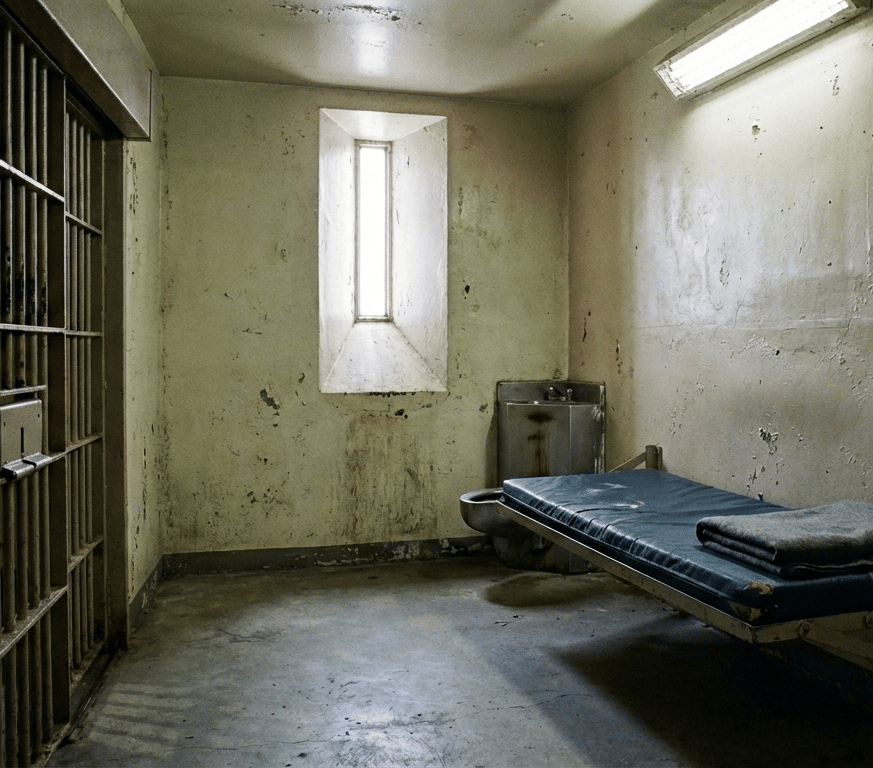
The space and loneliness does something to you.
When you’ve had to live in a cell that small, your sense of scale gets rewired. Not metaphorically. Neurologically. Your world collapses to six steps forward, six steps back. A steel toilet with no door. A window you can’t open. Light that isn’t yours to control. Privacy stops existing.
You start noticing things you never noticed outside. The sound of keys before you see the officer. The way time stretches when nothing changes. How choice disappears in places you didn’t even know choice lived.
Closing a bathroom door. Turning off a light. Standing up when you want to. Those aren’t small freedoms anymore. They’re landmarks.
People call it incarceration, but it’s closer to forced introspection. Cell therapy, whether anyone intends it that way or not. You sit with yourself because there’s nowhere else to go. Every distraction gets stripped. Whatever you’ve been avoiding walks right up and takes a seat on the bunk next to you.
Some people break under it. Some people numb out. Some people use it. You start making decisions about which version of yourself you're going to feed in that silence. Whether you're going to harden or sharpen. Whether you're going to come out angrier or clearer. The cell doesn't decide that. You do. But the cell forces the question.
That kind of environment changes you. It doesn’t automatically make you better. It doesn’t automatically make you worse. But it alters your relationship with control, dignity, and time. You come out measuring life differently. Space feels sacred. Silence feels earned. And freedom stops being abstract. It becomes tactile.
That’s the part people miss when they talk about “doing time.”
Time doesn’t just pass through you.
It leaves fingerprints.
Change The Game Educational Program | www.ctgpro.org | Copyright (c) 2026